Categories Korogocho, Youth

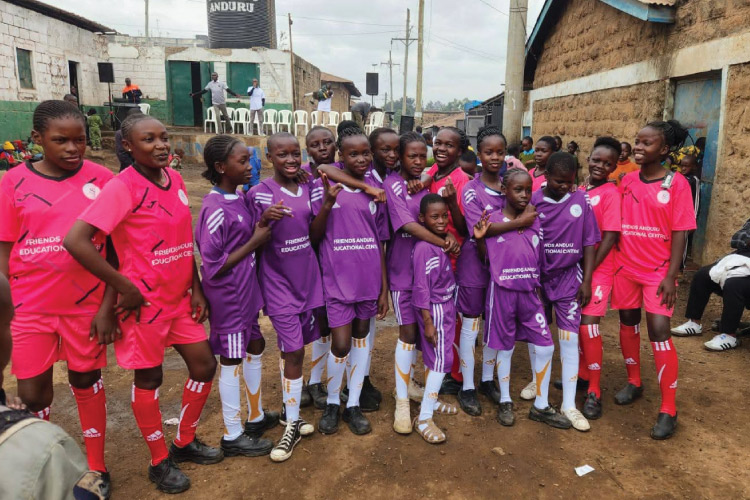
Empowering Youth for a Better Tomorrow: Skills That Matter in the Modern World

Young people represent the future of every community, yet many face significant challenges when transitioning from education to employment. High unemployment rates, limited access to training opportunities, and rapidly changing job markets often leave youth struggling to find meaningful pathways toward economic independence. Addressing these challenges requires more than traditional education; it requires equipping young people with practical skills that prepare them for real-world opportunities.

Modern youth development programs focus on a combination of technical skills, entrepreneurship, leadership, communication, and digital literacy. These competencies help young people adapt to changing economic conditions and create opportunities for self-employment and innovation. Entrepreneurship training, for example, encourages youth to identify local problems and develop business solutions that generate income while benefiting their communities.

Mentorship also plays a vital role in youth empowerment. Exposure to positive role models helps young people build confidence, develop professional networks, and gain valuable insights into career development. Through targeted support and investment, youth can become drivers of economic growth, community leadership, and social transformation.

Categories Business, Empowerment

Building Stronger Communities Through Volunteerism and Collective Action

Communities thrive when individuals come together to address common challenges and work toward shared goals. Volunteerism represents one of the most effective ways of fostering social cohesion, promoting civic engagement, and creating lasting positive change. Volunteers contribute their time, skills, and resources to support initiatives that improve education, health, environmental conservation, and social welfare.

Collective action strengthens relationships among community members and creates a sense of shared responsibility for local development. Through volunteer activities such as mentorship programs, community clean-ups, tree-planting campaigns, and support for vulnerable populations, residents can actively participate in shaping the future of their neighborhoods.

Beyond the immediate benefits of service, volunteerism also promotes personal growth, leadership development, and social awareness. Individuals who engage in community service often gain valuable skills while building networks that contribute to both personal and professional development. By encouraging a culture of volunteerism, communities can harness local strengths and create sustainable solutions to complex social challenges.

Categories Korogocho, Youth

Friends Anduru Door-to-Door Awareness Campaign

Education remains one of the most powerful tools for transforming lives and creating opportunities for future generations. In many underserved communities, however, thousands of children continue to face barriers that prevent them from accessing quality education. Challenges such as poverty, lack of learning materials, inadequate school infrastructure, and limited parental support often force children to miss classes or drop out of school altogether. These obstacles not only affect academic achievement but also limit future employment opportunities and perpetuate cycles of poverty.

When children receive access to education, they gain more than academic knowledge. They develop critical thinking skills, confidence, social awareness, and the ability to make informed decisions about their future. Education empowers young people to pursue careers, support their families, and contribute positively to society. It also plays a crucial role in reducing social inequalities and promoting economic development.

Community organizations, schools, parents, and development partners all have a role to play in ensuring that every child has the opportunity to learn. By providing scholarships, school supplies, mentorship, and supportive learning environments, communities can help bridge educational gaps and create pathways to success. Investing in education is not simply an investment in individual children; it is an investment in stronger families, thriving communities, and a more prosperous future for everyone.

Categories Education, Empowerment

Friends Anduru Street Outreach Program

Young people represent the future of every community, yet many face significant challenges when transitioning from education to employment. High unemployment rates, limited access to training opportunities, and rapidly changing job markets often leave youth struggling to find meaningful pathways toward economic independence. Addressing these challenges requires more than traditional education; it requires equipping young people with practical skills that prepare them for real-world opportunities.

Modern youth development programs focus on a combination of technical skills, entrepreneurship, leadership, communication, and digital literacy. These competencies help young people adapt to changing economic conditions and create opportunities for self-employment and innovation. Entrepreneurship training, for example, encourages youth to identify local problems and develop business solutions that generate income while benefiting their communities.

Mentorship also plays a vital role in youth empowerment. Exposure to positive role models helps young people build confidence, develop professional networks, and gain valuable insights into career development. Through targeted support and investment, youth can become drivers of economic growth, community leadership, and social transformation.

Categories Education, News

Street-Based Community Support Activities

Women play a central role in the wellbeing and economic stability of families and communities. However, many women continue to face barriers that limit their access to education, employment, financial services, and entrepreneurial opportunities. Economic empowerment initiatives seek to address these challenges by providing women with the tools and resources necessary to achieve financial independence.

Financial literacy training helps women understand budgeting, saving, investing, and business management. Access to entrepreneurship programs enables women to establish and expand small enterprises, generating sustainable income and improving household welfare. When women gain financial independence, they are better positioned to support their children’s education, improve family health outcomes, and participate actively in community decision-making.

Research consistently shows that investing in women creates ripple effects throughout society. Economically empowered women contribute to poverty reduction, increased productivity, and stronger local economies. Supporting women is therefore not only a matter of equality but also a strategic approach to sustainable development.