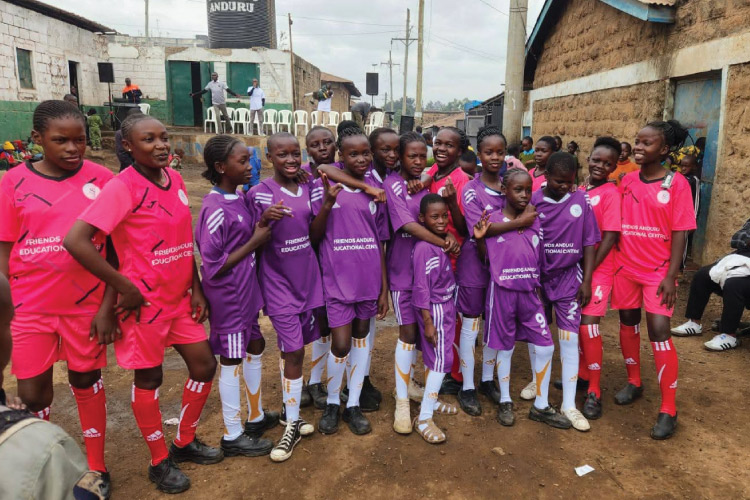
Categories Korogocho, Youth

Empowering Youth for a Better Tomorrow: Skills That Matter in the Modern World

Young people represent the future of every community, yet many face significant challenges when transitioning from education to employment. High unemployment rates, limited access to training opportunities, and rapidly changing job markets often leave youth struggling to find meaningful pathways toward economic independence. Addressing these challenges requires more than traditional education; it requires equipping young people with practical skills that prepare them for real-world opportunities.

Modern youth development programs focus on a combination of technical skills, entrepreneurship, leadership, communication, and digital literacy. These competencies help young people adapt to changing economic conditions and create opportunities for self-employment and innovation. Entrepreneurship training, for example, encourages youth to identify local problems and develop business solutions that generate income while benefiting their communities.

Mentorship also plays a vital role in youth empowerment. Exposure to positive role models helps young people build confidence, develop professional networks, and gain valuable insights into career development. Through targeted support and investment, youth can become drivers of economic growth, community leadership, and social transformation.

Categories Korogocho, Youth

Friends Anduru Door-to-Door Awareness Campaign

Education remains one of the most powerful tools for transforming lives and creating opportunities for future generations. In many underserved communities, however, thousands of children continue to face barriers that prevent them from accessing quality education. Challenges such as poverty, lack of learning materials, inadequate school infrastructure, and limited parental support often force children to miss classes or drop out of school altogether. These obstacles not only affect academic achievement but also limit future employment opportunities and perpetuate cycles of poverty.

When children receive access to education, they gain more than academic knowledge. They develop critical thinking skills, confidence, social awareness, and the ability to make informed decisions about their future. Education empowers young people to pursue careers, support their families, and contribute positively to society. It also plays a crucial role in reducing social inequalities and promoting economic development.

Community organizations, schools, parents, and development partners all have a role to play in ensuring that every child has the opportunity to learn. By providing scholarships, school supplies, mentorship, and supportive learning environments, communities can help bridge educational gaps and create pathways to success. Investing in education is not simply an investment in individual children; it is an investment in stronger families, thriving communities, and a more prosperous future for everyone.

Categories Education, Youth

Community Street Visit Initiative

Environmental challenges such as pollution, deforestation, waste mismanagement, and climate change continue to affect communities worldwide. While these issues often seem global in scale, meaningful solutions frequently begin at the local level. Community-based environmental conservation initiatives empower residents to take ownership of their surroundings and contribute to sustainable development.

Tree planting, waste management programs, environmental education campaigns, and community clean-up activities help create healthier living environments while promoting environmental awareness. Such initiatives also encourage residents to adopt sustainable practices in their daily lives, reducing their environmental footprint and supporting long-term ecological wellbeing.

Young people play a particularly important role in environmental conservation. By engaging children and youth in sustainability efforts, communities can cultivate future environmental stewards who understand the importance of protecting natural resources. Environmental responsibility is not merely about preserving ecosystems; it is about ensuring healthier, safer, and more resilient communities for generations to come.