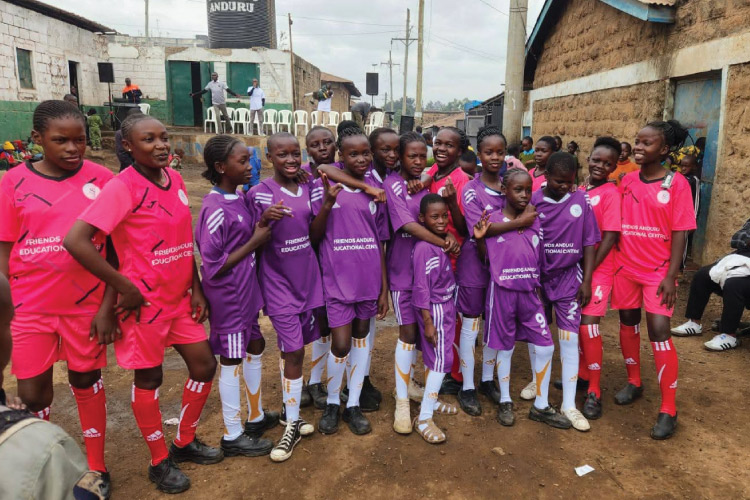
Education remains one of the most powerful tools for transforming lives and creating opportunities for future generations. In many underserved communities, however, thousands of children continue to face barriers that prevent them from accessing quality education. Challenges such as poverty, lack of learning materials, inadequate school infrastructure, and limited parental support often force children to miss classes or drop out of school altogether. These obstacles not only affect academic achievement but also limit future employment opportunities and perpetuate cycles of poverty.
When children receive access to education, they gain more than academic knowledge. They develop critical thinking skills, confidence, social awareness, and the ability to make informed decisions about their future. Education empowers young people to pursue careers, support their families, and contribute positively to society. It also plays a crucial role in reducing social inequalities and promoting economic development.
Community organizations, schools, parents, and development partners all have a role to play in ensuring that every child has the opportunity to learn. By providing scholarships, school supplies, mentorship, and supportive learning environments, communities can help bridge educational gaps and create pathways to success. Investing in education is not simply an investment in individual children; it is an investment in stronger families, thriving communities, and a more prosperous future for everyone.